Small and medium-sized businesses (SMBs) were put to the test in 2025. Facing back-and-forth tariffs, trade wars, market disruptions and constant economic uncertainty, businesses were lucky to remain successful or even afloat. Sentiment slipped throughout the year and procurement costs from nearshore partners surged. Entering 2026, manufacturers are still taking hits such as minimal job growth in transportation and warehousing in the United States. Many are turning to technology for support as turbulence and challenges continue.
McKinsey’s 2025 State of AI Report found 88% of respondents reporting regular AI use in at least one business function, up from 78% the year prior. Smart ERP systems are becoming vital solutions for SMBs looking to get ahead in the market and to leverage strong sourcing and procurement plans in 2026 and beyond. Going forward, a manufacturer will see success when aligning advanced technology with methodical sourcing and procurement measures.
Key components of a successful procurement plan
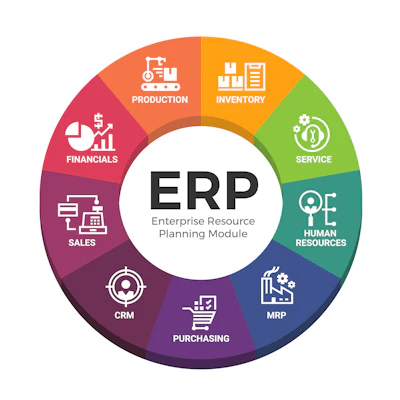
Effective sourcing and procurement management plans can help businesses save money, streamline processes, and gain a competitive edge. A plan should outline steps such as defining business objectives and a secure strategy of where goods and services will come from; outlining a budget and continuously monitoring the entirety of the procurement process. The management plan helps optimize resource use during the entirety of the process. Overall, a procurement plan sets the tone that activities are aligned with the business’ strategy. Having an ERP system in place to support this front can drastically save an organization time and money, avoid overspending and streamline the process.
SMBs leveraging technology and these advanced systems to navigate different business processes, need to ensure they are choosing the right ERP solution for their business—one that scales to size and inventory. Small businesses need a cloud system that is always one step ahead of their inventory: systems that reactive to tariff policies, identify excess costs or overflow and deliver real-time inventory insights for actionable business decisions. In order to make better purchasing decisions that lead to sales and success, SMBs need to rely on a solution that enhances procurement efficiency.
Guaranteeing customer satisfaction
At the same time businesses are prioritizing efficient inventory decisions; customer expectations for speed, availability, and reliability are only increasing. AI consumption is continually increasing, with up to 60% of consumers saying AI will become the new shopping standard, effective sourcing and procurement planning is less optional for SMBs to meet consumer demands.
Today’s customers have little patience for backorders or delays, expecting convenient purchases and timely delivery. This is making procurement failures more than just a back-office issue, but now an issue that shows up directly in lost revenue, damaged trust, or negative reviews. Unfortunately, a delayed component or miscalculated order can derail fulfillment and impact reputation overnight. Cloud ERP solutions that provide end-to-end visibility support manufacturers with anticipating issues and respond before customers ever feel the impact.
For consumers now using AI to make shopping decisions or even purchases, small businesses will need to keep up with the speed and demand of their customers. The right ERP system will enhance an SMB with real-time data and market updates to help businesses maintain profit margins and prevent overhaul as able. This timely and actionable data will ensure businesses can meet the customer where they are.
Staying one step ahead
Even cloud solutions need to evolve to better fit small and mid-sized organizations. SMBs are looking to get their hands on powerful tools without the hassle of traditional ERP systems. Systems need to adapt to help product-based companies sell more and work smarter with better visibility powered by AI.
Advanced ERP systems built with modular, cloud-native design enable SMB merchants to achieve time-to-first-value in days rather than quarters, bettering a typical onboarding completed in a few weeks. Systems with platform upgrades now allow new users to begin tracking and fulfilling orders immediately after signup, helping to see results right away.
Better yet, ERP solutions are evolving for modern product-based businesses that no longer require an all-in-one ERP. Businesses want a quick and intuitive platform that adapts to their unique workflows and tech stacks without huge rollout projects. Systems should also adapt and allow merchants to connect to their preferred tools with a click of a button and start to operate and optimize inventory levels from day one.
Conclusion
For SMBs looking to see more success than the year prior, real-time, smart inventory management and efficient sourcing and procurement planning will make or break success. A well-structured management plan that connects sourcing decisions directly to inventory, demand, and cost will help businesses reduce risk, improve efficiency, and protect margins. Finding the right ERP system to help tackle these challenges will bring smooth sailing through any further uncertainty to come.